Tech & Freedom: A Paradox of Liberation
advertisement
For individuals equipped with advanced technology, the allure of liberation—from routine, distance, or constraints—appears attainable. However, as technology becomes more integrated into everyday activities, a subtle contradiction arises: tools meant to provide freedom frequently alter the definition of what freedom means, establishing a complicated relationship between empowerment and limitation that is particularly noticeable for mindful users.
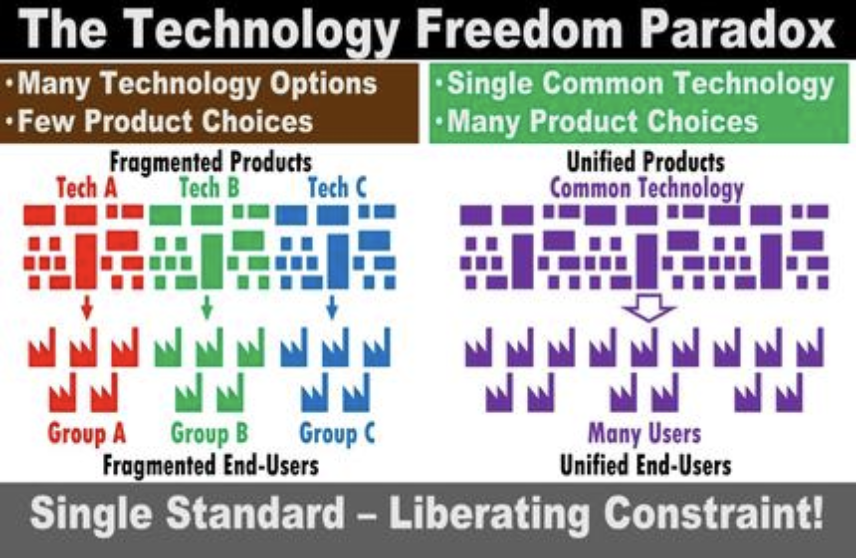
A work-from-home arrangement, for example, liberates us from the limitations of a traditional workplace; however, it diminishes the previously distinct boundary separating professional hours from personal time, ensnaring us in a pattern of continuous availability. The instruments that claim to grant us freedom ultimately create new, unseen constraints that are more difficult to escape.
Algorithmic Constraints: Choice as Limitation
High-end technology creates experiences intended to feel “customized,” yet this personalization conceals an underlying limitation. From AI-enhanced investment management applications that restrict options to curated lifestyle platforms that dictate preferences, algorithms simplify choices into a collection of sanctioned routes. What may seem like a release from decision-making fatigue is, in reality, a loss of autonomy to analytics-driven standards, as users inadvertently conform to algorithms instead of navigating their own journeys.
Geographical Freedom vs. Hidden Restrictions
While private jets, intelligent transportation solutions, and telecommuting technologies dismantle geographical barriers, they tether users to an ongoing state of connectivity. For those able to work from any location, the workplace remains omnipresent—smart gadgets blur the distinction between relaxation and work, converting “freedom of location” into the obligation to be perpetually reachable. Movement freedom morphs into a confinement of continuous responsiveness.
Upscale technology frequently sacrifices privacy for ease, even affecting wealthy individuals. Lavish smart homes equipped with biometric entry, health tracking wearables, and tailored concierge services gather personal information, diminishing the ability to exist free from observation. Affluence can facilitate access to secure tools, but it cannot ensure freedom from being a data reference—technology’s need for information erodes the quiet freedom that comes with anonymity.
Independence vs. Dependence Stasis
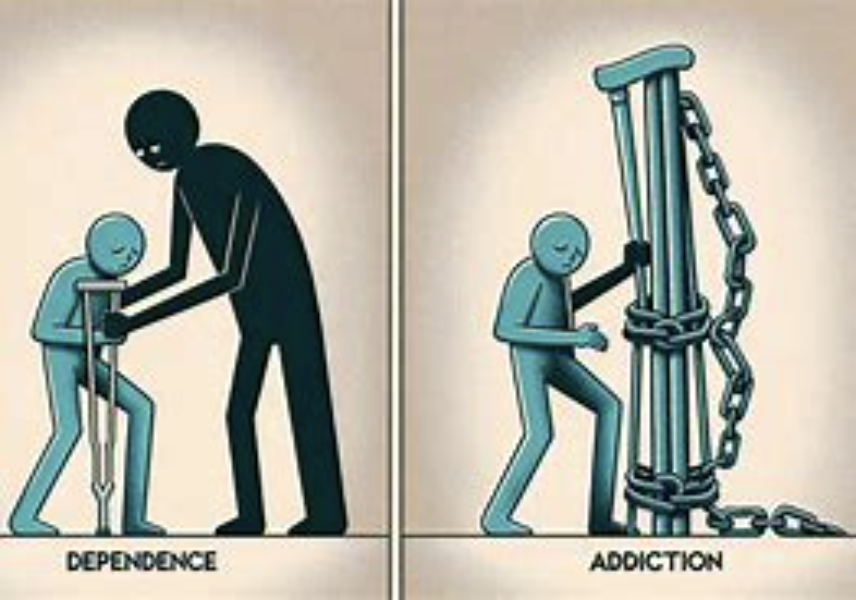
Sophisticated automation simplifies lives—spanning AI-driven home management to robotic assistants—yet cultivates reliance. As technology takes over intricate decisions or routine activities, users gradually forfeit their capacity to operate autonomously. The liberation from effort transforms into a lack of ability to perform without technological aid, reducing independence instead of broadening it.
Imaginative Freedom: Instruments That Restrict Creativity
Luxury creative technology—AI design software, immersive platforms—claims to unleash innovation, yet often ties users to pre-existing models. For thoughtful creators, these resources optimize processes but limit originality; the ability to produce swiftly comes at the sacrifice of pioneering new ideas. Genuine imaginative freedom, unshackled from algorithmic recommendations, becomes increasingly elusive amid the “assistance” of technology.
Freedom of Rhythm: Velocity as a Confinement
Technology accelerates every facet of existence—from instant delivery and immediate communication to real-time notifications—fostering the illusion of liberation from delays. Nevertheless, this rapid pace introduces a new limitation: the compulsion to stay in sync. For those with refined preferences, the liberty to savor experiences is sacrificed to technology’s insistence on immediacy, transforming leisure into a competition against time rather than a break from it.
(Writer:Wanny)
Related Articles