Which Jobs Will Robots Disrupt First?
advertisement
The anxiety surrounding robots replacing employment typically highlights manufacturing jobs; however, the initial impact of automation extends well past just routine assembly tasks. It affects positions that involve organized data, anticipated processes, and decisions governed by specific guidelines—domains in which AI and robotics excel over humans in terms of quickness, precision, and reliability. For progressive individuals, recognizing these positions is not solely about fear; it involves getting ready for a labor market where the worth of humans transitions to innovation and emotional acumen. We will examine the surprising occupations that are at the forefront of automation.
Claims Adjusters: Data-Driven Decision Makers
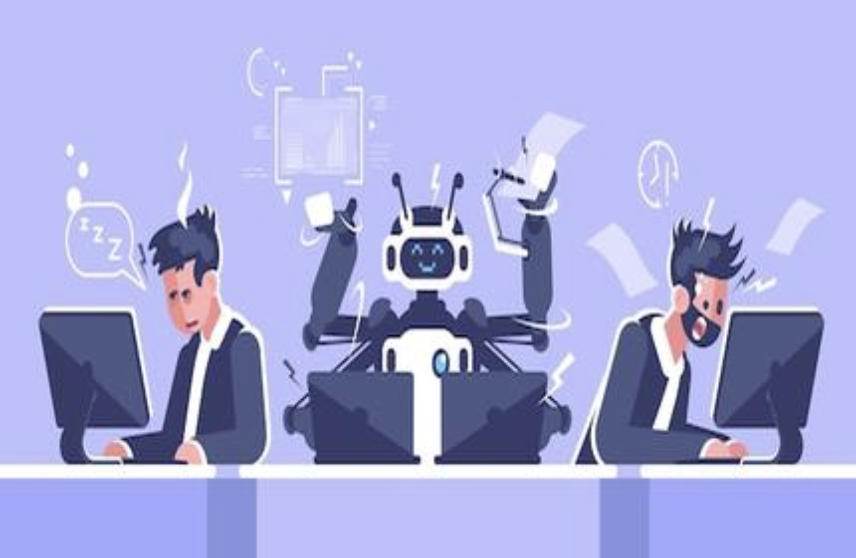
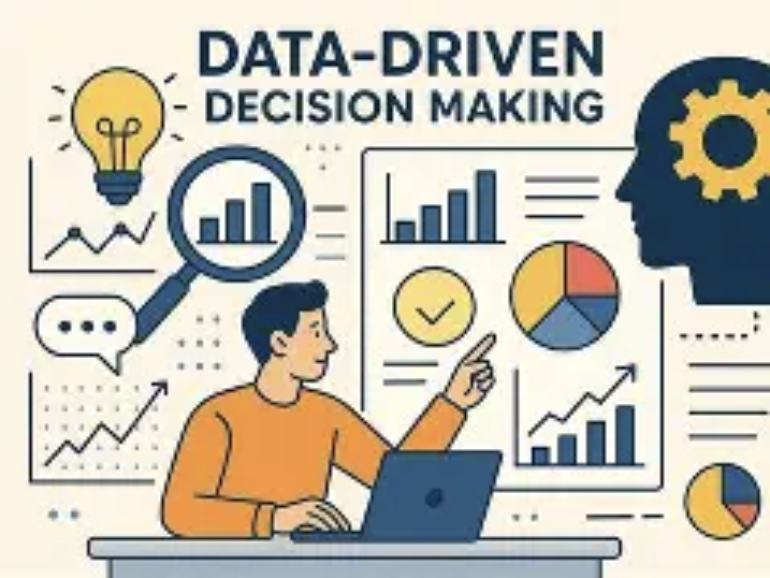
Insurance claims adjusters dedicate significant time to examining documents, evaluating damages, and determining payouts—responsibilities that are ideally suited for artificial intelligence. Sophisticated algorithms interpret images, police documentation, and policy information to assess claims within minutes, exhibiting error rates that are 30% lower than those found in humans. Some insurance companies have already implemented robotic adjusters for straightforward instances (such as minor collisions), leaving intricate, high-value claims to human specialists. This evolution does not eliminate the human role but rather transforms it: adjusters are now more engaged in negotiating challenging cases and enhancing the client experience, rather than merely processing data.
Proofreaders and Copy Editors: Flawless Language at Scale
Although human editors are exceptional at creativity and tone, robotic systems excel in mechanical editing tasks. Advanced AI applications such as Grammarly Business or Hemingway Editor identify grammar, spelling, and stylistic mistakes with nearly flawless precision, even accommodating specific industry style guidelines (like AP for journalism or APA for academic standards). Publishing companies and marketing firms are now employing these tools for initial editing rounds, allowing human editors to concentrate on narrative coherence, brand identity, and content strategy. The outcome is quicker turnaround times while maintaining high quality.
Laboratory Technicians: Precision in Repetitive Tests
Clinical and research laboratories depend on technicians to perform repetitive tests—such as blood tests or chemical evaluations. Robotic technology is now adept at managing these tasks with unparalleled accuracy: they can pipette samples, run centrifuges, and log results continuously without becoming tired. For instance, a robotic laboratory technician can conduct 1,000 COVID tests daily, whereas a human can manage only 200. This innovation does not replace laboratory personnel; it enables them to concentrate on interpreting results, crafting experiments, and addressing complex machinery issues—activities that necessitate analytical thinking and expertise.
Loan Underwriters: Assessing Risk Algorithmically
Previously, banks and financial institutions relied on underwriters to evaluate loan applications by examining credit ratings, income documents, and levels of debt. Now, AI systems are automating this evaluation process by collating thousands of data points (including unconventional metrics such as utility bill payment records or social media activity) to analyze risk. These technologies facilitate quicker decisions—granting mortgage approvals in hours instead of days—with reduced default rates. Human underwriters now focus on exceptions (such as applications from self-employed individuals) and supervise the algorithm to guarantee fairness and adherence to regulations.

Logistics planners previously spent considerable time fine-tuning delivery routes, factoring in elements such as traffic, climate conditions, and vehicle capacity. AI systems can accomplish this task in mere seconds, utilizing machine learning to adjust to real-time changes (like a road being closed or a delayed shipment). Businesses such as Amazon take advantage of these systems to supervise their delivery operations, achieving a 15% reduction in fuel expenses and shorter delivery durations. Human planners can now prioritize strategic decisions—such as entering new markets or negotiating with transportation providers—while robots manage the routine aspects of route optimization.
(Writer:Ganny)
Related Articles