Can Tech Actually Improve Sleep?
advertisement
We frequently hold technology accountable for our inadequate sleep, attributing it to late-night browsing, exposure to blue light, and constant alerts. However, the right technological advancements not only prevent disturbances to our rest but also promote improved sleep quality. Contemporary sleep technology surpasses simple tracking devices, utilizing artificial intelligence, biometric data, and environmental modifications to offer tailored sleep experiences. For users seeking relief from restless nights, these innovations transform sleep science into practical and comfortable solutions. Let’s examine how technology is changing our understanding of what it means to achieve good sleep.
Not all blue light is the same, and modern devices recognize this. Cutting-edge gadgets employ spectral adjustments to modify not only brightness but also the specific types of blue light emitted during the day. Morning settings project invigorating blue wavelengths to enhance alertness, and as evening approaches, these settings transition to warmer shades that do not inhibit melatonin production. Certain smart eyewear can even align with your sleep patterns, blocking particular blue light frequencies precisely when your body is getting ready for rest—eliminating the need to forgo evening reading for the sake of better sleep.
Smart Mattresses with Adjustable Comfort
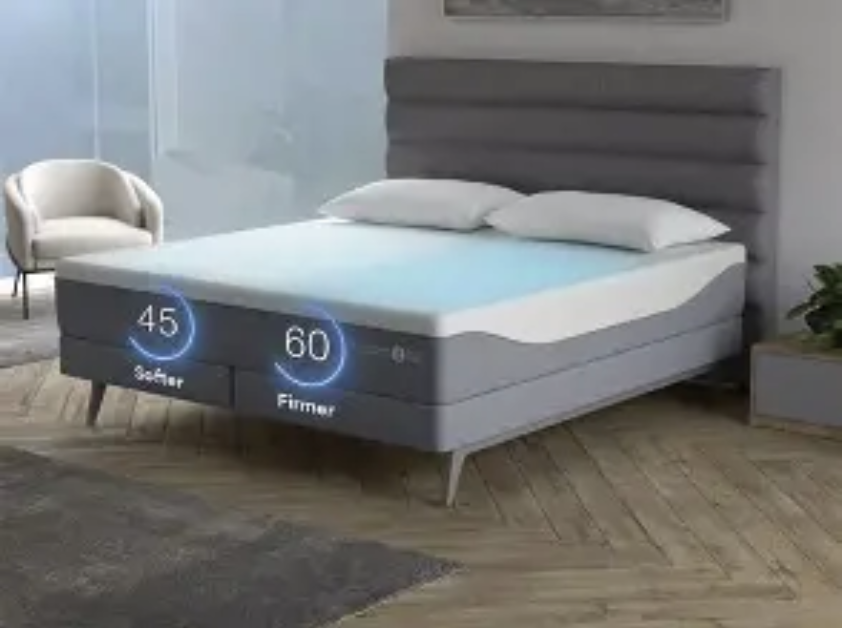
The era of standard mattresses is over. Innovative smart mattresses incorporate air chambers or adaptable foam layers that react to your bodily position instantly. With embedded sensors, they can detect when you shift during sleep and autonomously modify firmness to align with your spine, alleviating pressure points that lead to restless movements. Some models even feature integrated temperature control, allowing specific areas of the mattress to cool down or warm up, corresponding with your body’s natural temperature changes throughout the night—a vital factor for maintaining uninterrupted sleep as morning approaches.
Ambient Sound Environments
Traditional white noise machines have become outdated; intelligent sound systems now produce "sleep soundscapes" that adjust according to your surroundings. Built-in microphones can pick up disruptive noises (like a vehicle horn or a partner’s snoring) and emit specific frequencies to neutralize them without amplifying overall sound levels. You can select from varying soundscapes—such as a dawn forest that gradually fades as you drift off—or even harmonize sound with your breathing, promoting a tranquil rhythm that encourages deeper sleep. These systems not only obscure unwanted noise; they establish a steady acoustic backdrop for seamless rest.
Modern lighting systems imitate the sun’s natural path to influence your circadian rhythm. Morning lighting progressively brightens with warm, golden tones to replicate sunrise, gently waking you instead of startling you awake with an alarm. Evening lighting gradually dims and transitions to deeper reds, indicating to your body that it is time to relax. Certain systems can even adjust based on your geographical location to account for changes in season—longer daylight hours in summer and shorter ones in winter—helping maintain your internal clock in sync with the natural environment, even if you predominantly remain indoors.
Automated Digital Detox
Our technology habits are often significant disruptors of sleep, which is why intelligent systems now facilitate a digital detox. The “sleep mode” feature for your home network halts non-essential notifications (like social media alerts and work emails) while allowing critical notifications (such as emergency calls) to come through. Smart televisions and smartphones can restrict access to stimulating applications post-bedtime, replacing them with soothing content like guided meditations or sleep narratives. This technology aids in disconnecting without the struggle of self-discipline, effectively establishing a distinct division between day and night.

(Writer:Lily)
Related Articles