Information Age: Higher Learning Barriers
advertisement
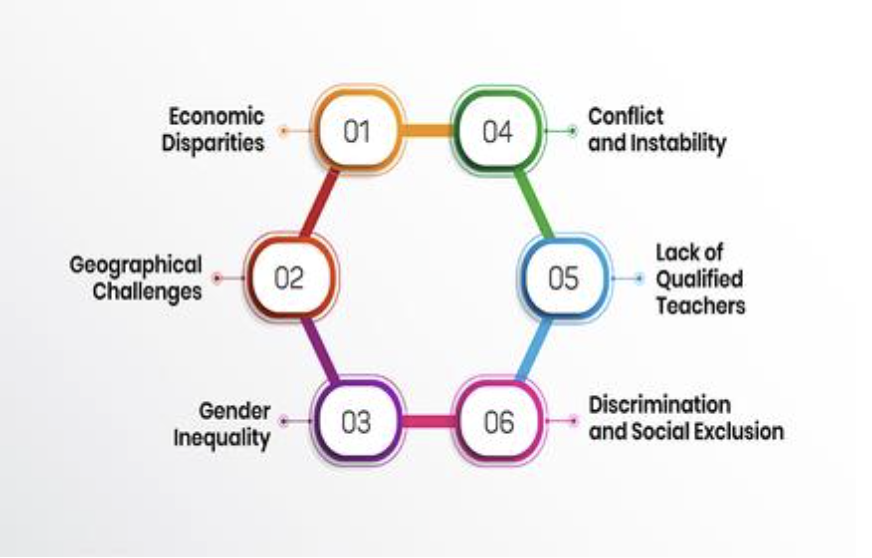
The era of information suggests that everyone should have access to knowledge; however, it has subtly increased obstacles to learning—particularly for individuals seeking sophisticated, high-quality development. For thoughtful learners, the challenge is not about having insufficient information but rather about managing various levels of filtration, constraints on access, and cognitive synchronization necessary to convert scattered data into significant learning experiences, thus creating a divide between proactive learners and passive information consumers.
Algorithmic content selection, designed to enhance interaction, frequently traps inactive users in bubbles of shallow information, while valuable organized knowledge—from vetted research to expert guidance—continues to be restricted by subscription fees or limited-access communities, thereby increasing the gap between dedicated students and casual information seekers.
Premium Information Filtering Threshold
With a wealth of information available, advanced filtering becomes necessary, a privilege that not everyone possesses. The elite use AI-based curation platforms, specialized research communities, and personal advisors to extract high-quality, niche information from the excess. The general populace lacks similar assets, left to utilize broad algorithms that favor engagement rather than quality. The genuine obstacle is obtaining thoroughly vetted knowledge, not information as a whole.
Elite Circle Learning Access Barrier
High-quality education increasingly occurs within restricted digital networks. Exclusive mentorship platforms, private collaborative groups, and insider community forums demand either social capital or financial resources for access. These environments provide contextual insights that are not publicly accessible, creating a barrier where learning is linked to circle membership rather than mere motivation.
Personalized learning environments—such as artificial intelligence tutors, individualized skill trajectories, and interdisciplinary integration tools—are available only to those who can finance them. For instance, a business executive may utilize a tailored AI system to connect finance and technology education, while others depend on generic courses. The challenge is in adapting learning to personal objectives, not merely in reaching basic educational content.
Tech-Driven Cognitive Alignment Hurdle
Contemporary education necessitates technological understanding that exceeds basic abilities. Utilizing virtual reality for specialized training, blockchain for credential authentication, or AI for customized practice demands a cognitive alignment with the reasoning of technology. The elite manage this with specialized support teams, whereas others find it difficult to connect technological tools with effective education, resulting in a cognitive barrier.

Niche Skill Learning Resource Divide
Highly specialized skills—such as art verification, quantum finance strategies, or high-end brand management—require unique resources. These comprise access to expert mentors through digital channels, exclusive databases, and practical simulation applications. The challenge does not stem from effort but from the limited availability of specialized resources that only affluence or connections can provide.
Intergenerational Learning Inheritance Threshold
Affluent families hand down carefully developed learning systems—digital repositories of knowledge, network access, and AI-augmented legacy insights. This inherited advantage establishes a barrier for others, who need to construct educational foundations independently. The discrepancy lies in the inherited educational infrastructure rather than inherent talent.
The learning obstacles in the information age are subtle yet significant. For thoughtful individuals, surmounting these challenges requires not just curiosity but also a strategic investment in resources, networks, and alignment. The real distinction exists not between those who engage in learning and those who refrain, but between those who can successfully navigate the contemporary educational environment and those who are hindered by its concealed challenges.

(Writer:Tick)
Related Articles