Why Anxiety Defines Our Modern Age
advertisement
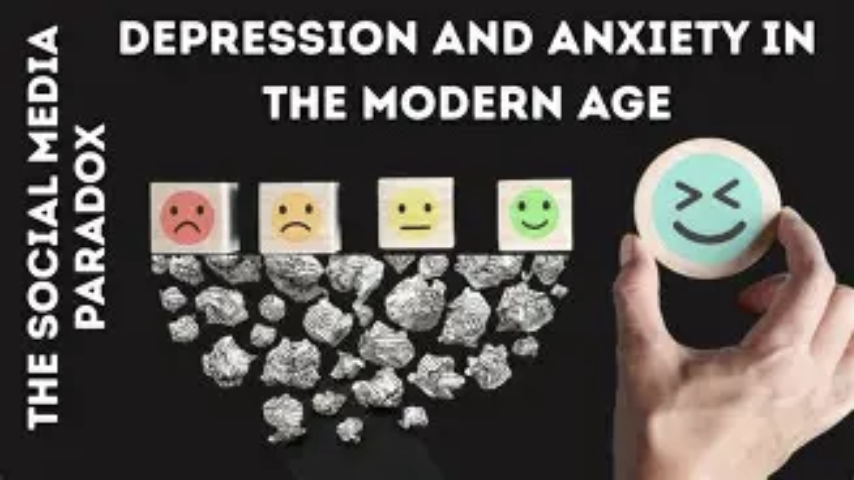
Anxiety, previously a temporary feeling brought on by particular stressors, has gradually become a persistent presence in our lives—affecting even those who enjoy financial security and stability. For people who are used to having control over their environments and lives, this widespread discomfort can feel especially unsettling. It is crucial to acknowledge that technology, while intended to make life easier and more empowering, is not merely a backdrop to this anxiety—it acts as a significant contributor. Beyond the frequently debated concept of “digital overload,” less commonly recognized technological changes are reshaping how we view success, relationships, and authority, intertwining anxiety with the essence of contemporary existence.
Ongoing Digital Status Rivalry
The meticulously arranged feeds of social media are widely acknowledged, yet the anxiety arises not simply from comparison but from AI-enhanced personalization that intensifies “ideal” stories. Algorithms customize content to showcase the successes, lifestyles, and affluence of peers—creating a persistent sense of inadequacy even among wealthy individuals, who feel compelled to keep up with an ever-evolving benchmark for achievement.
Continuous Connectivity and Choice Exhaustion
The emergence of always-connected technology—from smart devices to secured messaging platforms—blurs the lines between work and relaxation. For those in high-pressure professions, this unending connectivity prevents true “disconnection,” leading to exhaustion from constant decision-making. Each notification requires attention, and the urgency to reply immediately disrupts concentration, fostering a continuous feeling of overwhelm.
AI-Induced Doubts About What Lies Ahead
Although AI offers greater efficiency, it simultaneously heightens worries regarding becoming outdated. Even those with financial means, who once believed themselves insulated from job disruption, now fear that AI could eliminate even high-skilled positions—from finance to creative roles. This anxiety concerning future significance, intensified by alarming tech news, generates an ongoing backdrop of trepidation.

Digital Privacy Contradiction
Individuals with significant wealth hold privacy in high regard, yet the technologies they depend on—from smart homes to tailored services—gather and analyze their most personal information. This contradiction breeds anxiety: the very technologies meant to increase convenience also render them feeling vulnerable, with no definitive way to manage how their data is utilized or shared.
In contrast to traditional media, contemporary technology inundates the brain with varied sensory inputs—visual, auditory, notifications, and tactile sensations—at once. This sensory overload disrupts the brain's function in managing stress hormones, resulting in ongoing low-grade anxiety, even for those who attempt to limit their screen time yet still engage with smart gadgets throughout the day.
Perceived Control Through Technology
Technology claims to provide control—over time management, finances, and even health—yet the frequent issues, algorithm shifts, or breaches in data security shatter this perception. For those who thrive on having control, these interruptions provoke anxiety: the awareness that despite the best technology available, certain aspects of life remain out of reach, undermining a fundamental sense of safety.

The commonness of anxiety does not indicate fragility, but rather reflects our reaction to a world transformed by technology in ways we are just beginning to comprehend. For individuals who can adjust, recognizing the technology-based origins of this anxiety represents the initial move toward restoring equilibrium. The answer does not involve dismissing technology, but rather in taking charge of our interactions with it—transforming instruments that contribute to distress into those that encourage tranquility and intention.
(Writer:Dick)
Related Articles