Small Businesses’ Biggest Waste: Poor Communication
advertisement
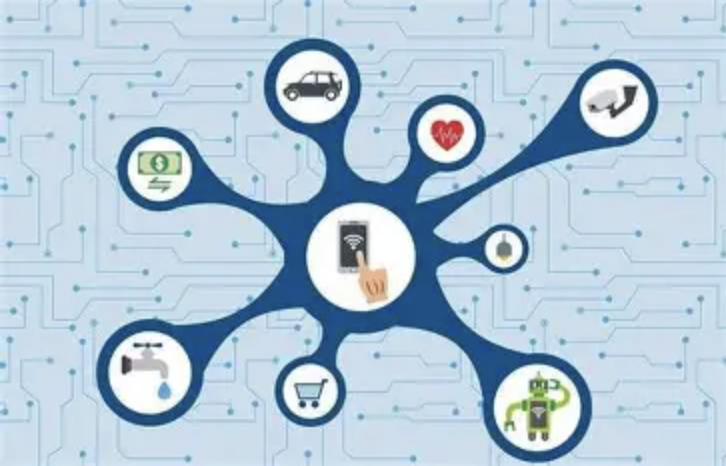
For numerous small and medium-sized enterprises (SMEs), the most significant resource drain is not inefficient practices or financial waste, but rather inadequate communication. This often unnoticed waste, typically obscured by routine activities, is exacerbated by outdated or misutilized technology, resulting in a loss of time, income, and expansion possibilities for SMEs. For individuals heavily involved in SMEs as owners, stakeholders, or collaborators, this inefficiency acts as a silent threat, one that technology can worsen or remedy.
A lot of SMEs utilize disconnected digital applications—individual tools for messaging, project management, and client interactions—resulting in compartmentalized information. Essential updates often get overlooked between various platforms, teams can spend excessive hours trying to locate information, and misalignment frequently occurs, transforming straightforward conversations into lengthy obstacles that hinder productivity.
Obsolete Technology Leads to Delayed Communication
Outdated communication mechanisms—slow email threads, uncoordinated phone systems, and manual process updates—lead to expensive delays. SMEs that depend on old technology frequently miss client deadlines, misinterpret client feedback, and face challenges in coordinating remote or hybrid teams, with each delayed communication representing wasted resources.Ineffective communication can undermine the trust clients have and harm a business's reputation. Companies reliant on outdated technology find it challenging to adapt quickly to changes in the market, slowly losing ground to more nimble rivals equipped with contemporary collaboration solutions.
Insufficient Use of AI Limits Communication Effectiveness
Many SMEs do not fully exploit AI-driven communication solutions that enhance workflows—such as AI chatbots for client queries, automatic update creators, and sentiment analysis for feedback within teams. This lack of utilization results in employees investing hours in repetitive communication tasks that technology could manage, squandering crucial time on tasks of minimal significance.
Inadequate Digital Documentation Leads to Recurrent Communication
SMEs often lack centralized, technology-based documentation systems for choices, client preferences, or project specifics. This compels teams to repeatedly ask identical questions, revisit conversations, and correct misunderstandings—consuming hours that could be devoted to revenue-generating activities.

Suboptimal Remote Communication Reduces Efficiency
As numerous SMEs adopt remote work, inefficient virtual communication tools become detrimental. Poor video call quality, lagging file sharing, and missing collaborative features result in misunderstandings, redundant meetings, and dissatisfied teams—all hidden expenses caused by inadequate tech-driven communication.SMEs frequently utilize generic communication platforms that do not personalize messages for clients. AI-enhanced personalization tools—designed to adapt content, tone, and timing to client preferences—are underutilized, leading to unclear expectations, misinterpreted inquiries, and potential lost business that could have been prevented.
Insufficient Training on Technology Aggravates Communication Issues
Even when SMEs allocate resources to communication technologies, they often neglect training. Employees find it challenging to effectively utilize tools—they misuse functionalities, overlook shortcuts, and fail to exploit collaborative capabilities—transforming technology intended to enhance communication into a further source of inefficiency.

For individuals deeply involved with SMEs, ineffective communication becomes more than just an inconvenience—it metamorphoses into a significant loss of potential. When technology is implemented strategically and utilized correctly, it can transform disjointed and ineffective communication into a competitive edge, enabling SMEs to recover time, minimize waste, and foster growth in an increasingly competitive environment.
(Writer:Galli)
Related Articles