Tech & Trust: Blockchain & Digital Identity
advertisement
In a landscape filled with deepfakes, breaches of data, and risks of identity theft, the concept of trust has evolved into something rare and valuable. For wealthy individuals, this situation is more than a mere hassle—it poses a serious risk to their wealth, standing, and confidentiality. This is where blockchain and digital identity technologies come into play: they not only bolster trust but also reconstruct it from its very foundation. For those who are discerning, these innovations represent more than just fleeting tech fads—they form the basis of a future that is more transparent and secure, where trust can be verified rather than merely presumed.
Privacy-by-Design: Transparency Without Exposure
Affluent individuals seek both openness and confidentiality, and blockchain caters to that need. Sophisticated mechanisms such as zero-knowledge proofs enable users to validate information while keeping the specifics hidden. For instance, a donor can demonstrate they fulfill a charity's contribution requirement without needing to share their full financial status, or a corporate leader can affirm their organization’s adherence to regulations without disclosing confidential financial information. This equilibrium is crucial for those wanting to take part in significant transactions while maintaining their privacy.
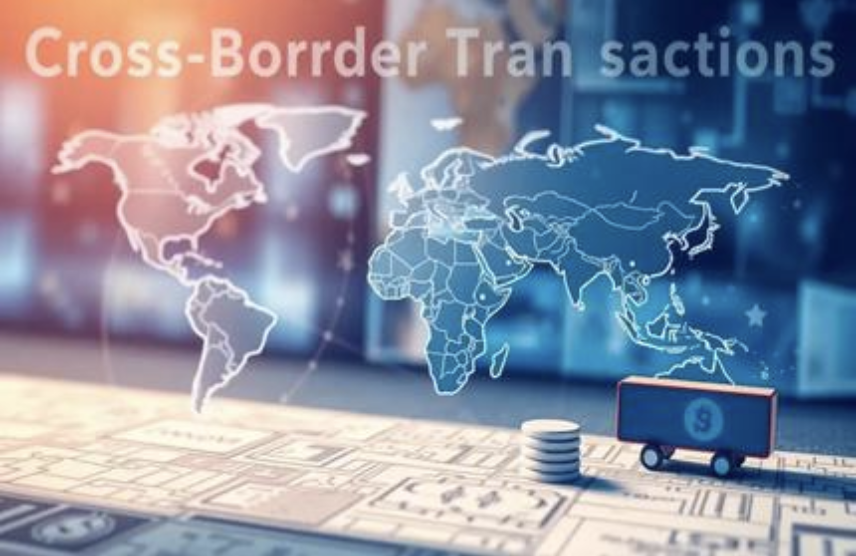
For those who travel extensively, verifying identities across borders can frequently be problematic. Blockchain-based digital identities break through geographical limitations, allowing users to confirm their identities instantly from any location worldwide. A luxury traveler might check into an upscale hotel using their self-sovereign identity instead of struggling with physical documents, while an international executive could sign contracts globally using a secure digital signature. This streamlines processes, cuts through bureaucratic obstacles, and ensures that trust is not compromised in interpretation—making life and business operations at an international scale more efficient than ever.
Legacy & Succession: Securing Trust for Generations
Maintaining wealth depends on reliable estate planning. Blockchain enables affluent families to embed details regarding inheritance, asset ownership, and legal instructions within smart contracts that implement automatically upon fulfilling specified criteria. This minimizes the risk of human mistakes and conflicts, making certain that beneficiaries receive their inheritances precisely as intended. Furthermore, digital identities allow heirs to easily access family assets—from financial accounts to valuable art—without confronting a complex web of documentation. It’s a form of trust that transcends individual lives, safeguarding family legacies for future generations.

Anti-Fraud for High-Value Assets: From Art to Crypto
The presence of counterfeit high-end products and cryptocurrency fraud can create issues for wealthy communities. Blockchain addresses these concerns by generating digital "fingerprints" for various assets. For example, a unique bottle of wine can carry a blockchain identifier connected to its vineyard, bottling date, and ownership trail; a cryptocurrency wallet can employ self-sovereign identity to confirm the owner's credentials, deterring theft. For those collecting and investing, this innovation provides assurance that their valuable assets are credible and well-protected—eliminating doubts about the legitimacy of a million-dollar artwork or a cryptocurrency transaction.
Trust as the New Luxury
For high-spending consumers, blockchain alongside digital identity represents more than mere instruments; they embody a new form of luxury. In a society where trust is hard to come by, the capacity to verify, manage, and safeguard one’s identity and assets holds immense value. These advancements not only shield wealth; they also promote freedom—the freedom to engage in global transactions, to maintain privacy, and to confidently bequeath legacies. As technology transforms the landscape of trust, the wealthy parties that adopt blockchain and digital identity systems are not just keeping pace—they are setting the stage for a more secure future.
(Writer:Cily)
Related Articles