Why Service Robots Grow More Human
advertisement
Gone are the times when service machines were bulky and robotic. The current generation of high-end service robots—from staff at luxury hotels to personal assistants at home—are becoming increasingly reminiscent of humans, and this is intentional. Wealthy consumers, who seek seamless and intuitive interactions, find that robots exhibiting human-like emotions and decision-making abilities are more than just gimmicks; they have become essential. This transformation toward more human-like service robots results from a combination of shifting expectations, advancements in technology, and the desire for genuinely superior experiences.
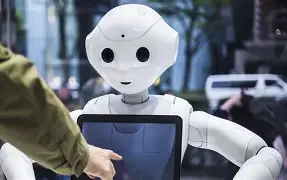
Affluent consumers are not solely interested in having tasks completed; they seek genuine connections. A service robot in a luxury hotel remembers a guest's choice of herbal tea and greets them warmly by name instead of in a robotic voice. It picks up on subtle signs of fatigue and suggests a complimentary massage appointment, reflecting the empathy one would expect from a well-trained concierge. This emotional insight transforms standard transactions into caring interactions, a level of luxury absent in cold, mechanical robots.
Building Trust Through Familiarity
For the elite, establishing trust is critical, particularly when technology is involved with personal matters. Robots with realistic features—natural facial expressions, smooth movements, and engaging conversations—diminish the “uncanny valley” effect, making them seem more friendly. A robot for wealth management that discusses investment approaches in a calm and assured manner fosters more trust compared to a simple text interface. When robots appear and behave in a human-like way, wealthy individuals are more inclined to delegate sensitive responsibilities, such as managing home security or organizing travel arrangements.

Customization for Distinct Lifestyles
Luxury is a subjective experience, and human-like robots excel in personalizing their approach. They adapt to individual quirks—such as a tech entrepreneur’s tendency to take calls while walking or a fashion designer’s need for quiet during creative brainstorming—and modify their actions accordingly. A robot assisting on a yacht might change its communication style depending on whether it's a formal dinner or a relaxed family gathering, just like a human staff member would. This capability to tailor interactions to unique lifestyles greatly enhances their value over generic machines.

Merging Technology with Human Interaction
Wealthy consumers appreciate advanced technology but are not willing to lose the personal touch. Human-like service robots achieve this equilibrium. In a high-end retail environment, a robot can check inventory and recommend items based on previous purchases, then transfer the actual sale process to a human colleague for a custom styling experience. This represents the best of both worlds: efficient technology balanced with the irreplaceable warmth of human contact. This combined approach is what makes contemporary service robots especially appealing to those in the upper class.
Service robots are evolving to become more human-like, not to replace humans, but to enrich human experiences. For the wealthy, they signify the next phase of luxury service—where technology is able to anticipate needs, adjust to situations, and establish deep connections. As AI and robotics continue to develop, these robots will become even more skilled at reflecting human empathy and decision-making, ensuring their role as essential allies for those who seek the ultimate in service. The future of service is not about robots becoming human; it is about robots assisting humans to lead more exquisite lives.
(Writer:Wanny)
Related Articles