Health Gaps: The New Divide of Tech Era
advertisement
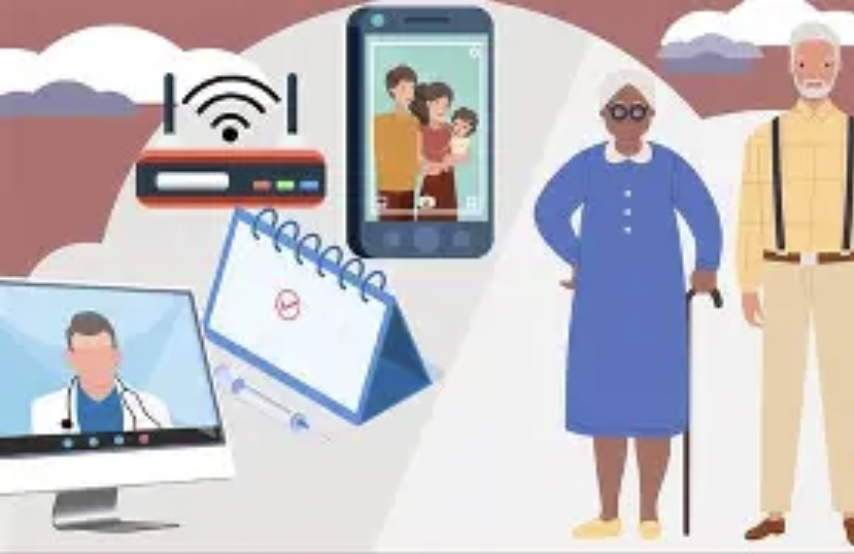
Advancements in technology-driven healthcare have transformed the standards of wellness—from advanced diagnostics using artificial intelligence to tailored biohacking solutions, as well as remote health surveillance and gene modification therapies. However, as these breakthroughs become increasingly available to affluent individuals, a troubling inquiry arises: will healthcare, once a fundamental goal shared by all humanity, evolve into a new indicator of social stratification? For those who possess the financial means to utilize state-of-the-art health technologies, the disparity between privilege and susceptibility is becoming more pronounced, turning health inequalities into a discreet yet potent new form of class disparity.
Tech-Enabled Health Is a Privilege, Not a Right
The most revolutionary health technologies—like personalized tests for epigenetics or AI-assisted longevity regimens—remain inaccessible to the majority. Unlike fundamental healthcare, these advancements are priced for wealthy individuals, resulting in a split where affluence directly correlates with improved health results. This situation involves not merely the availability of care, but also the acquisition of tools that avert health issues before they arise, exacerbating the divide between those who can “enhance” their health and those who simply manage it.

Health technologies depend on data—from wearable devices monitoring biological indicators to AI that assesses health trends. Wealthy individuals can invest in gadgets that gather detailed, individualized data, whereas others must rely on broad health recommendations. This data gap signifies that the affluent get customized interventions, while others are left with generalized solutions, worsening health inequities as time goes on.
Biohacking Creates a “Longevity Elite”
Beyond standard health technology, extravagant biohacking methods—like stem cell treatments, peptide therapies, or hyperbaric oxygen methods—promise prolonged health and slowed aging. These treatments, accessible solely by the affluent, are not just aimed at improving one’s well-being; they focus on extending the duration of a healthy life, forming a “longevity elite” that separates itself from those constrained to traditional medical care.
Invisible Health Tech Gaps Go Unnoticed
In contrast to income or educational divides, disparities in health technology are frequently imperceptible. The AI-enhanced health coach or home testing lab of a wealthy person is not an obvious status symbol, yet it gradually enhances their health over many years. This lack of visibility complicates efforts to remedy the situation, as the affluent might not even acknowledge the benefits their wealth provides.

Health technology not only produces new inequalities but also strengthens pre-existing ones. Wealthy individuals can spend on preventive technologies, steering clear of expensive illnesses and remaining productive, while others encounter rising healthcare costs and lost prospects. This ongoing cycle transforms health inequality into a recurring class division, in which the healthy become more affluent and the vulnerable lag even further behind.
The Choice: Tech for Inclusion or Division
Health technology in itself doesn't present an issue; the challenge lies in its allocation. The real concern is not if health disparities will turn into social class disparities, but rather if we permit that to happen. For those with substantial wealth, identifying this separation is the initial action: leveraging their power to enhance access to groundbreaking health technology, thereby guaranteeing that the future of healthcare is characterized by fairness rather than alienation.
(Writer:Weink)
Related Articles