Climate Remodeling: Tech’s New Frontier
advertisement
In addition to the everyday news about increasing temperatures, a significant transformation is taking place—people are no longer merely adjusting to climate change; they are proactively modifying the climate systems of the earth. Motivated by innovative technologies and pressing needs, this initiative extends well beyond typical solar or wind power, venturing into new realms that require creativity and thoughtful planning. For individuals who prioritize long-lasting effects and advancements in technology, these developments present a vision of a future where managing the climate shifts from being mere fiction to reality.

Seafloor Weathering: An Overlooked Carbon Sink
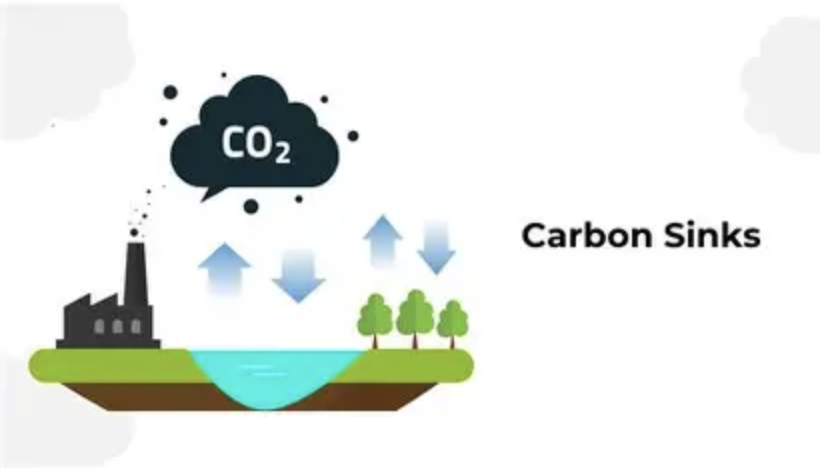
Although carbon capture often receives more focus, seafloor weathering is revealing itself as a subtle yet influential mechanism. Delicate glacial sediments moved by coastal degradation quickly weather in seawater, releasing alkalinity, which improves the ocean’s capacity to absorb carbon dioxide. This natural function, sped up by human intervention, introduces a “shortcut” within the carbon cycle, particularly in coastal regions that were previously covered in glaciers. Unlike the industrial methods of carbon capture, this process is in sync with marine life, not disturbing aquatic organisms.
Marine Cloud Brightening: Reflecting Sunlight Gently
Modifying solar radiation is not restricted to aerosols in the stratosphere. Marine cloud brightening (MCB) employs equipment on ships to disperse small salt particles, increasing cloud reflectivity to send sunlight back into space. This technique, as opposed to harsh chemical injections, utilizes naturally occurring ocean salts, thereby reducing environmental hazards. Experimental initiatives in Australia have yielded encouraging outcomes, causing little disruption to local precipitation—an advantage over alternative solar radiation management strategies.

AI-Powered Climate Forecasting: Predicting Intervention Risks
The effectiveness of climate modification relies on precise forecasting. AI-enhanced climate models, developed through years of data analysis, now emulate the regional effects of interventions such as MCB or stratospheric aerosol injection (SAI). These models surpass mere global temperature predictions, also estimating shifts in precipitation, ozone levels, and ocean currents—vital for steering clear of unforeseen consequences. The availability of powerful computing resources to private investors is quickening these simulation processes.
With the progress of technology, the establishment of ethical guidelines is becoming crucial. Entities like AGU have formulated principles to ensure that climate intervention research remains open and inclusive, reflecting the needs of communities that are most impacted by climate change. For visionary investors, endorsing ethical governance means supporting initiatives that focus on fairness, thereby mitigating the potential risks of regional climate disparities or environmental injustices.
Private Capital: Fueling Tech Breakthroughs
Wealthy individuals and family offices are increasingly significant in this arena. From Bill Gates' Breakthrough Energy Ventures to Bezos' Earth Fund, private investments are propelling high-risk, high-reward innovations that are often overlooked by governments and corporations. This funding not only fosters innovation but also resonates with a growing aspiration to establish a lasting, sustainable legacy, effectively combining financial gains with positive environmental outcomes.
Altering the climate comes with its own set of dangers, yet it signifies an assertive approach to tackling a worldwide emergency. Individuals who are capable of influencing its course have the chance to endorse technologies that are both efficient and morally sound—transforming the vision of climate management into a responsible actuality.
(Writer:Tick)
Related Articles